

 Higher mortgage rates can make buying a home feel out of reach. But deciding whether to buy or rent takes more than comparing interest rates.
An October 5, 2026 analysis by Brad Case for Homes.com examined how buyers and renters fared during the mid-1990s, when mortgage rates frequently ranged from 7% to 9%. His findings suggest that buying can still offer a financial advantage when a home’s purchase price is relatively low compared with the cost of renting it.
For Michigan homebuyers, the useful question is: How does the full cost of owning a particular home compare with renting a similar property?
Look Beyond the Mortgage Rate
A higher interest rate increases borrowing costs, but it does not tell you whether a home is reasonably priced relative to nearby rentals.
Two properties financed at the same mortgage rate can present very different buying-versus-renting decisions. The purchase price, comparable rent, ownership expenses and length of time you expect to stay all affect the comparison.
That is why the Homes.com analysis focuses on the price-to-rent ratio.

What Is the Price-to-Rent Ratio?
The price-to-rent ratio compares a home’s purchase price with one year of rent for a comparable property.
Home price ÷ annual rent = price-to-rent ratio
For example:
| Item | Amount |
|---|---|
| Home purchase price | $300,000 |
| Comparable monthly rent | $2,500 |
| Annual rent | $30,000 |
| Price-to-rent ratio | 10 |
In this example, the home costs 10 times its annual rent.
A lower ratio means the purchase price is relatively inexpensive compared with renting. A higher ratio means purchasing costs more relative to the rental alternative. The ratio is a starting point, rather than a complete affordability calculation.
What the Historical Analysis Found
Case compared two otherwise identical households. One purchased a home with a 20% down payment and a traditional 30-year mortgage. The other rented a comparable property and invested the money it did not spend on housing.
The calculations included property taxes, insurance, maintenance, transaction costs, the mortgage-interest deduction, refinancing opportunities and taxes on investment returns.
For the mid-1990s buyers studied, the results generally followed this pattern:
| Home price compared with annual rent | Historical finding |
|---|---|
| Below approximately 14 times annual rent | Buying usually produced greater wealth |
| Approximately 14–20 times annual rent | Results depended on factors including the renter’s investments |
| Above approximately 20 times annual rent | Renting and investing the difference generally performed better |
These are findings from a historical comparison, not guarantees for an individual purchase today.
Why Lower-Priced Homes May Have an Advantage
According to the Homes.com analysis, homes in the lowest-priced fifth of the market typically sell for approximately nine times their annual rent. Homes in the middle of the market sell for approximately 13 times their annual rent.
Those ratios fall within the range where buying frequently performed well in the historical study.
The report also found that annual rent represents approximately 10.8% of the purchase price for the least expensive fifth of homes, compared with approximately 5.7% for the most expensive fifth.
The distinction matters because purchase prices and rents do not necessarily increase at the same pace. At higher price levels, renting a comparable home can become more competitive financially.

When Renting May Make More Sense
The analysis does not suggest that every household should buy.
Renting may offer a financial advantage when a home is expensive relative to comparable rentals, particularly for households that expect to move within a few years and consistently invest the money they save.
That investment assumption is an important part of the comparison. Renting and investing the difference is a different financial strategy from renting and spending the difference.
Likewise, higher-priced homes are not automatically poor purchases. Their financial advantage over renting may simply be less clear.
Do Not Depend on Future Refinancing
The historical buyers studied benefited from opportunities to refinance as mortgage rates declined over subsequent decades.
Future buyers may also have refinancing opportunities, but the Homes.com analysis cautions against relying on them.
A purchase should work with the financing and payment available at the time of purchase. A potential lower rate later should not be the reason an otherwise unaffordable home appears manageable.

What This Means for Michigan Homebuyers
For buyers considering homes in Northville, Plymouth or elsewhere in Metro Detroit, this national analysis offers a useful framework for comparing options.
Start with the price of the home you are considering and the rent for a genuinely comparable nearby property. Then look beyond that initial ratio to account for financing, property taxes, insurance, maintenance and transaction costs.
Local conditions vary by neighborhood, property type and price range. The national figures in this analysis should not be treated as specific Michigan market statistics.
Your expected length of stay and comfort with the monthly payment also deserve attention. A favorable historical comparison does not replace a budget that works for your household.
Compare the Property, the Costs and Your Plans
Mortgage rates matter, but they are only one part of the decision.
The Homes.com analysis shows why buying can remain competitive with renting when purchase prices are reasonable relative to rental costs. It also explains why renting can be a sensible option in other circumstances.
For Michigan buyers, a useful next step is to compare actual properties, realistic expenses and your plans for the years ahead.
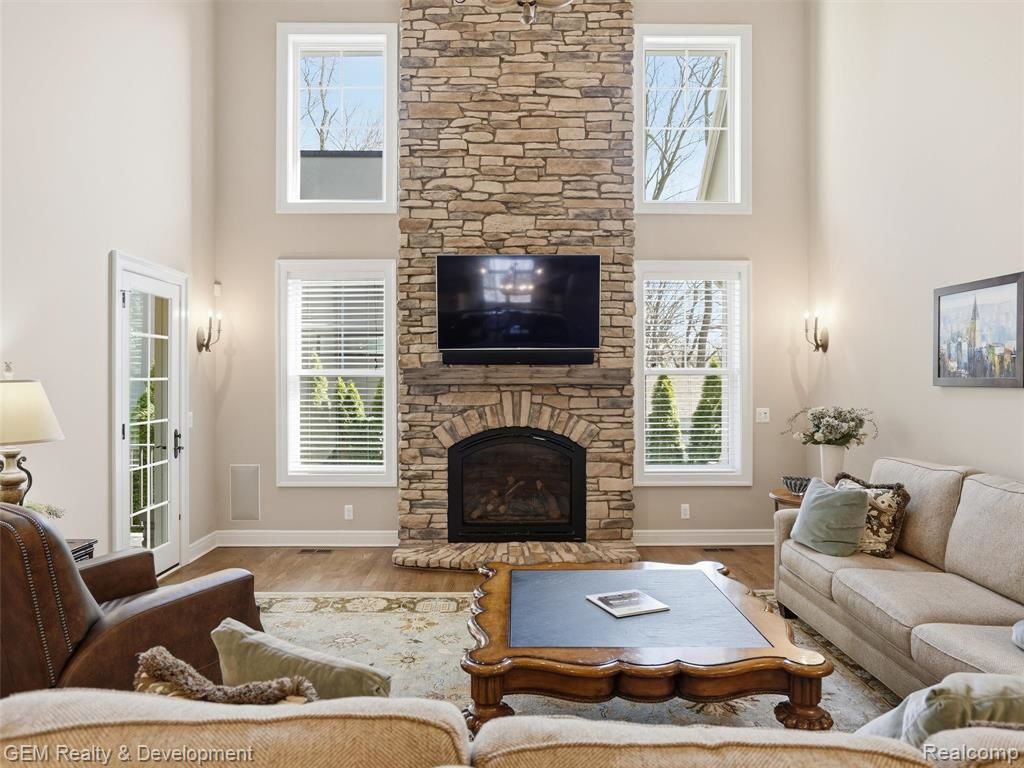
Considering buying or renting in Metro Detroit? GEM Realty & Development can help you explore available homes and compare local sale and rental options.
Gregory Morad | Broker/Owner
GEM Realty & Development
734.812.0088
[email protected]
gem-realty.com
Check out this article next